Protein Calculator
Estimate your daily protein target, weekly intake, per-meal split, and powder-supplement cost. This protein calculator uses commonly referenced ranges (0.8–2.2 g per kg of bodyweight depending on your goal) to give you a clear daily number plus a simple meal breakdown.
My Favorite Protein Powder
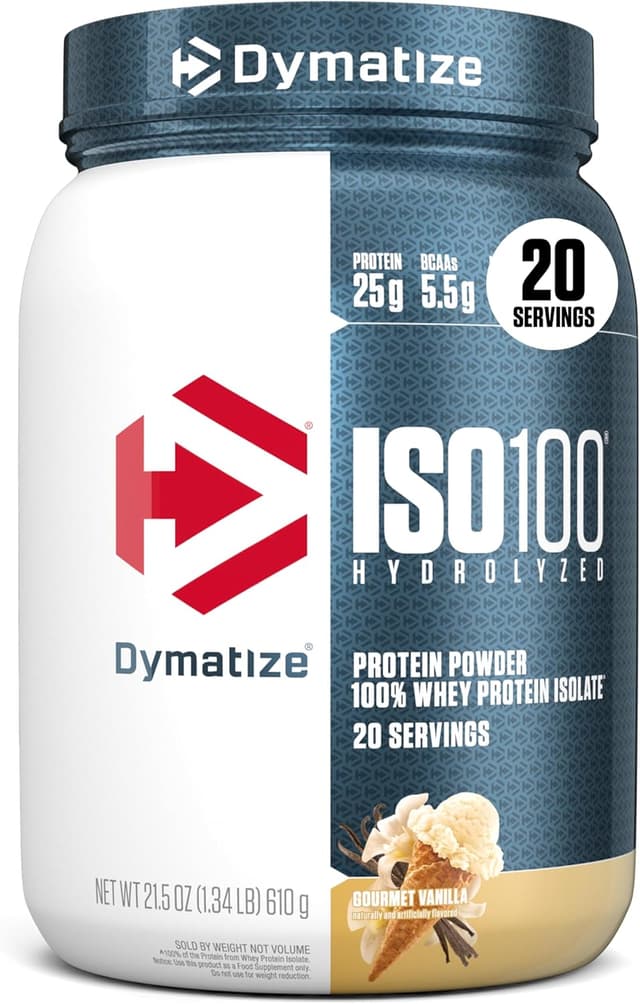
This is personally my favorite protein powder. There are cheaper options out there, but for protein I care a lot about how easily it digests, how well it mixes, and whether it feels heavy on my stomach. I'm lactose intolerant, and this one has been much easier on my stomach compared to other protein powders I've tried. It mixes well, doesn't get clumpy, and tastes good in water. I usually do 2 scoops in the morning and another 2 scoops after a workout. On non-workout days, I usually just do a couple scoops in the morning. Sometimes I mix vanilla whey with iced coffee — just don't mix it into hot coffee or it can start to cook the whey. This isn't medical advice, just what I personally do.
Recommended
Dymatize ISO100 Whey Protein
- Whey protein isolate (Dymatize's ISO100 line)
- ~25 g protein per scoop (typical isolate serving)
- Multiple flavor options including vanilla and chocolate
- Mixes cleanly in cold liquids — pairs well with iced coffee
Use the calculator above to estimate how long a container may last based on your own scoop routine.
As an Amazon Associate I earn from qualifying purchases.
Best-Tasting Protein (If Flavor Is Your Top Priority)
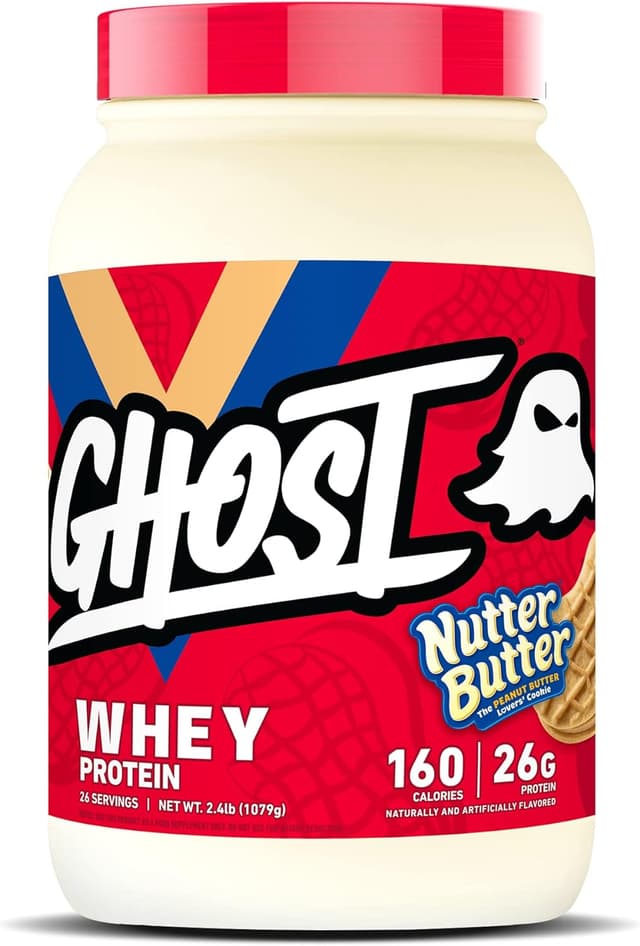
If you're picking a protein purely for taste, nothing — and I mean nothing — beats Ghost for me. Nutter Butter is my absolute favorite flavor and probably the most delicious protein powder I've ever tried. It's a bit pricier than other options, so this is the one I'd grab if flavor is the deciding factor over cost per gram. Not medical advice, just my personal pick.
Recommended
Ghost Whey Protein — Nutter Butter
- Whey protein blend in a Nutter Butter cookie flavor
- Multiple flavor partnerships across the Ghost lineup
- Often picked when taste is the top priority over plain whey
- Pairs well with milk, oat milk, or a blended smoothie
Pricier per serving than plain whey isolate — worth it when flavor is the priority over cost per gram.
As an Amazon Associate I earn from qualifying purchases.
How This Protein Calculator Works
Most protein recommendations boil down to a number times your bodyweight in kilograms. The number changes depending on your goal — sedentary general health sits near the low end, while training for muscle gain or fat loss sits much higher. This calculator uses commonly referenced ranges and lets you choose where in the range you want to land.
Goal-Based Ranges (Per Kilogram of Bodyweight)
General Health
0.8–1.2 g/kg/day
Enough to cover daily protein needs for adults who aren’t training hard. Sits near common dietary reference intakes.
Fat Loss
1.6–2.2 g/kg/day
Higher protein during a calorie deficit is often used to help preserve lean mass and support satiety.
Muscle Gain
1.6–2.2 g/kg/day
Resistance training plus a slight calorie surplus and consistent protein intake. There’s no real benefit much beyond ~2.2 g/kg for most people.
Strength Training
1.6–2.2 g/kg/day
Heavy compound work creates a similar protein demand to hypertrophy training. Same range applies.
Endurance
1.2–1.8 g/kg/day
Long-duration athletes (running, cycling, swimming) often slot in between general health and resistance training. The exact number depends on training volume.
How To Use Your Daily Number
Once you have a daily target, the practical move is dividing it across your meals. Many people find it easier to hit their target by aiming for 20–40 g of protein per meal, spaced 3–5 hours apart. The per-meal table above shows your number divided evenly, plus a rough food example for context. You don’t need to be perfect — getting close to your daily total most days matters more than nailing every individual meal.
Food First vs. Supplement Support
Protein powder isn’t required. It’s a convenience tool — useful for hitting a number on a busy day, after a workout, or when whole-food protein is hard to come by. Most dietitians suggest a food-first approach: lean meats, fish, eggs, dairy, legumes, and tofu cover the bulk of your daily protein for most people, with powder filling in the gaps if needed.
Common food protein references (rough estimates):
- Chicken breast (4 oz, cooked) — ~30 g protein
- Salmon (4 oz, cooked) — ~25 g protein
- Greek yogurt (1 cup, plain) — ~17–20 g protein
- Cottage cheese (1 cup) — ~24 g protein
- Eggs (1 large) — ~6 g protein
- Lentils (1 cup, cooked) — ~18 g protein
- Tofu, firm (4 oz) — ~10 g protein
Cost Efficiency: Pricing Powder Honestly
The real way to compare two protein powders is cost per gram of protein — not price per tub or price per serving. A $30 tub with 20 servings of 25 g protein costs $0.06 per gram of protein. A $50 tub with 60 servings of 24 g protein costs $0.035 per gram — the cheaper option per gram, despite the higher sticker price. The calculator above does this math for you when you enter container price and servings per container.
As a rough benchmark: $0.03–$0.06 per gram of protein is good value for whey or plant blends; anything above $0.10 typically reflects flavoring, branding, or specialty ingredients rather than better protein.
Related Calculators
Build a complete nutrition picture by pairing this with related calculators:
- Pair with our Creatine Calculator for supplement dosing, container math, and cost per serving.
- Use the Macro Calculator to split daily calories into protein, carbs, and fats.
- Estimate calories burned with the TDEE Calculator and BMR Calculator.
- Check BMI, body fat, and ideal weight ranges for context.
- Stay hydrated with our Water Intake Calculator.
Frequently Asked Questions
How much protein should I eat per day?
For general health, commonly cited ranges land around 0.8–1.2 g/kg/day. People who train regularly and want to support muscle often use 1.6–2.2 g/kg/day. The calculator above gives you a target inside whichever range matches your goal.
Should I divide my protein evenly across meals?
Spacing protein across meals (commonly 3–5 meals/day with ~20–40 g each) is a practical way to hit a daily target. Total daily intake matters most — exact distribution is a smaller factor unless you’re an advanced trainee.
Is protein powder necessary?
No. Protein powder is a convenience tool. Whole foods like chicken, fish, eggs, dairy, beans, and tofu can fully cover most people’s daily protein. Powder is useful when you’re busy or your target is high enough that food alone gets tedious.
What’s a fair price for protein powder?
Compare on cost per gram of protein, not sticker price. $0.03–$0.06 per gram is good value for most whey and plant blends. The calculator computes this for you.
Will more protein help me build more muscle?
Beyond about 2.2 g/kg/day, additional protein doesn’t appear to add meaningful benefit for most people. Quality training, calorie balance, and sleep matter more than pushing protein higher.
Is high-protein eating safe?
For healthy adults, the ranges in this calculator are consistent with commonly cited nutrition guidance. People with kidney conditions or specific medical situations should consult a qualified healthcare professional before changing protein intake significantly.
How is protein per kilogram different from per pound?
1 kg ≈ 2.2 lb. So 1.6 g/kg ≈ 0.73 g/lb, and 2.2 g/kg ≈ 1.0 g/lb. The calculator handles the conversion automatically when you toggle between LB and KG.
Frequently Asked Questions
- How much protein should I eat per day?
- Commonly referenced ranges land around 0.8–1.2 g/kg/day for general health, 1.2–1.8 g/kg/day for endurance training, and 1.6–2.2 g/kg/day for fat loss, muscle gain, or strength training. The calculator gives you a daily target inside whichever range matches your goal.
- Should I divide my protein evenly across meals?
- Spacing protein across meals (commonly 3–5 meals per day with about 20–40 g each) is a practical way to hit a daily target. Total daily intake matters most — exact distribution is a smaller factor for most people.
- Is protein powder necessary?
- No. Protein powder is a convenience tool. Whole foods like chicken, fish, eggs, dairy, beans, and tofu can fully cover most people's daily protein. Powder is useful when you're busy or your daily target is high enough that food alone gets tedious.
- What's the best way to compare protein powders?
- Compare on cost per gram of protein, not sticker price or cost per serving. Divide container price by total grams of protein in the container. $0.03–$0.06 per gram is typically good value for whey and plant blends.
- Will more protein help me build more muscle?
- Beyond about 2.2 g/kg/day, additional protein doesn't appear to add meaningful benefit for most people. Quality training, calorie balance, sleep, and consistency matter more than pushing protein higher.
Powered by HumanCalculations — free online calculators