Supplements That May Support Blood Sugar (2026): An Honest, Plain-English Guide
Search around for “supplements to help blood sugar naturally” and you’ll see the same handful of names come up again and again: berberine, bitter melon, chromium, and alpha-lipoic acid (ALA). They show up in nutrition forums, doctor interviews, podcasts, and product listings — but the quality of the information swings wildly from honest and educational to outright sales pitch.
This guide is the plain-English version. We’ll walk through each of the four supplements people most often look up in 2026 for blood sugar support, what they actually are, what research generally suggests, who they tend to be discussed for, and the honest trade-offs. No medical promises, no scary warnings — just clear information so you can have a better conversation with your doctor or registered dietitian.
4
Supplements covered
~10 min
Reading time
0
Medical claims
Yes
Plain English
What’s in this guide
What “Blood Sugar Support” Actually Means
When supplement labels say “blood sugar support,” they usually mean something pretty specific: helping the body keep its blood glucose within a more stable range, especially after meals. It’s a general wellness phrase — not a treatment claim, and not a substitute for medical care.
For people without a diagnosed condition, day-to-day blood sugar is already managed automatically by the pancreas, liver, and a handful of hormones. The supplements covered below don’t replace any of that. The most generous way to describe them is support tools — small inputs that may help on the margins, alongside the much larger drivers of food, movement, sleep, and stress.
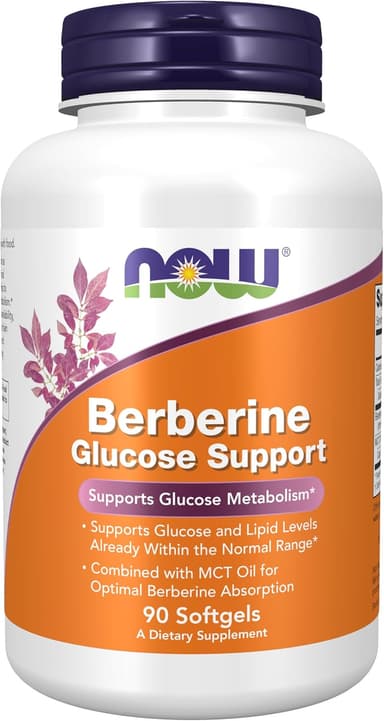
1. Berberine
Berberine is a yellow-colored compound naturally found in plants like goldenseal, barberry, and Oregon grape. It’s used in traditional Chinese and Ayurvedic practices and has become one of the most-discussed supplements for blood sugar support in the past decade.
What it is
A plant-derived alkaloid sold as a standalone supplement, usually in 500 mg capsules. Some products combine it with other ingredients (milk thistle, alpha-lipoic acid, etc.).
How it may help support blood sugar
Some research suggests berberine may influence the way cells take up and use glucose, and may interact with an enzyme (AMPK) involved in energy regulation. The effects are typically described in research literature as modest, not dramatic.
Who tends to look into it
People who already maintain a balanced diet and exercise routine and are looking for an extra support tool, often in combination with diet adjustments.
Potential downsides
- Common side effects in research include digestive upset (cramps, loose stools, nausea).
- It may interact with prescription medications — this is a big one to ask a doctor about.
- Quality varies between brands; cheap formulations can be poorly absorbed.
2. Bitter Melon
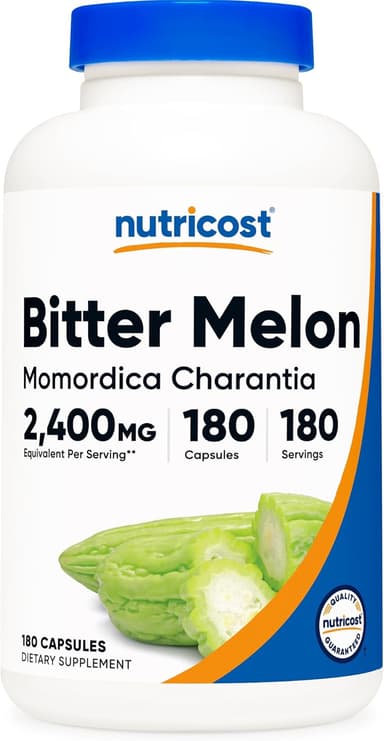
Bitter melon is a fruit (also called bitter gourd or karela) that has been used in Asian, African, and Caribbean cuisines for centuries. It’s become popular as a supplement in capsule and extract form.
What it is
A green, ridged fruit with a notably bitter taste. As a supplement it’s typically standardized extract in capsules, sometimes labeled as charantin or polypeptide-p, two of the active compounds.
How it may help support blood sugar
Some research suggests bitter melon may influence glucose transport and metabolism. Like berberine, the effects in studies are typically described as modest rather than strong. It’s most often discussed as a complementary support tool rather than a primary intervention.
Who tends to look into it
People interested in food-derived options or those drawn to herbal and traditional approaches alongside their normal routine.
Potential downsides
- Can cause digestive discomfort in some people.
- Quality and standardization vary widely — not all extracts contain the same active compounds.
- Should be discussed with a healthcare provider, especially when taking medication.
3. Chromium
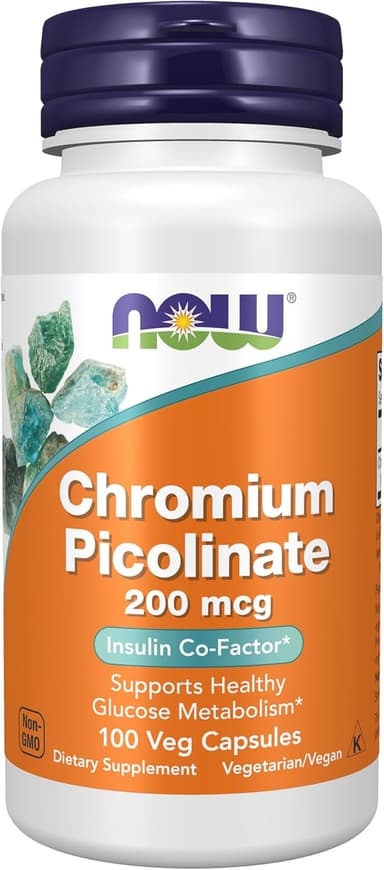
Chromium is a trace mineral your body needs in tiny amounts. The most common supplemental form is chromium picolinate, sold widely as a low-cost single-ingredient supplement.
What it is
An essential trace mineral found in small amounts in foods like broccoli, whole grains, meat, and brewer’s yeast. As a supplement, it’s usually dosed in micrograms (mcg), not milligrams.
How it may help support blood sugar
Some evidence suggests chromium may play a role in how the body responds to insulin. People with certain dietary patterns may have lower chromium intake than average, and research has explored whether supplementation provides any meaningful effect. Results in studies are mixed.
Who tends to look into it
People who feel their diet may be low in chromium-containing foods, or who want a low-cost addition to a broader nutrition plan.
Potential downsides
- Most studies show only mild effects, if any.
- Very high doses are not recommended — more is not better.
- People with kidney issues should consult a healthcare provider before use.
4. Alpha-Lipoic Acid (ALA)
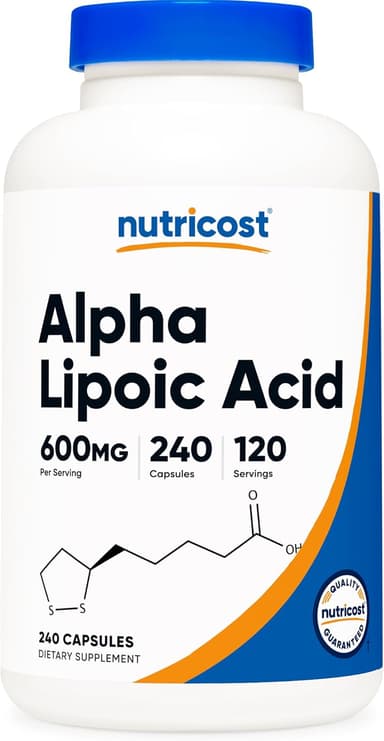
Alpha-lipoic acid is an antioxidant compound that the body produces naturally in small amounts. It’s also found in foods like spinach, broccoli, and red meat. Supplemental ALA comes in two forms: R-ALA (the form your body makes) and S-ALA (a synthetic mirror image), often combined in commercial products.
What it is
A naturally occurring antioxidant compound. Most supplements are sold in 200–600 mg capsules. R-ALA is generally considered the more biologically active form.
How it may help support blood sugar
Some research suggests ALA may help with how cells respond to insulin and may play a role in oxidative stress regulation. It’s also studied for nerve-related topics. Like the others on this list, the effect sizes in well-designed studies are typically modest.
Who tends to look into it
People interested in antioxidant-related supplements or those looking for a single-ingredient option to layer onto a broader nutrition plan.
Potential downsides
- Some people report a metallic taste, mild rash, or stomach upset.
- Can interact with certain medications — ask a healthcare provider.
- Best absorbed on an empty stomach, which doesn’t suit everyone.
Side-by-Side Comparison
Here’s the same information in one quick reference. Use this to skim the trade-offs at a glance.
| Supplement | What it is | May support | Common downsides | Cost tier |
|---|---|---|---|---|
| Berberine | Plant alkaloid | Glucose metabolism, AMPK pathway | Digestive upset, drug interactions | $$ |
| Bitter Melon | Fruit-based extract | Glucose transport-related pathways | Variable quality, GI discomfort | $$ |
| Chromium | Trace mineral | Insulin response (mixed evidence) | Mild effects in most studies | $ |
| Alpha-Lipoic Acid | Antioxidant compound | Insulin sensitivity, oxidative stress | Taste/skin reactions, drug interactions | $$ |
Cost tiers are general 2026 retail estimates and vary by brand and sale price.
Pros and Cons of Supplement-Based Support
Potential pros
- Inexpensive compared to many other wellness purchases
- Easy to add to an existing routine
- Some have decades of research behind them
- Available without a prescription
Honest cons
- Effects are typically modest, not dramatic
- Results vary widely from person to person
- Quality and dosing inconsistent across brands
- Not a substitute for medical care or core lifestyle habits
- May interact with medications
Do These Actually Work?
Honest answer: it depends, and the effects are usually modest. None of these supplements rival what consistent diet, sleep, and exercise do for blood sugar stability. The research for each is best described as “mixed but interesting” — some studies show small effects, others show very little, and individual responses vary.
If you read a product page promising dramatic results, that’s a marketing claim, not a research summary. The honest framing is: these may help on the margins for some people, in the context of a broader nutrition and lifestyle plan, and it’s worth talking to a healthcare provider before adding them — especially if you take medication.
Many people try one at a time for several weeks, observe how they feel, and decide whether to continue. That’s a reasonable, low-risk way to experiment if your healthcare provider gives you the green light.
Lifestyle Factors That Matter More
It would be dishonest to write a supplement guide without acknowledging that the biggest levers for blood sugar stability are usually not in a capsule. They’re in the boring fundamentals.
Diet patterns commonly discussed
- Including a source of protein and fiber with carbohydrate-heavy meals
- Choosing whole, minimally processed foods more often
- Watching sugar-sweetened beverages, which spike glucose quickly
- Spreading carbohydrate intake more evenly across the day
Our Protein Calculator can help you estimate a daily protein target by goal, and the Macro Calculator splits daily calories into protein, carbs, and fats.
Movement
Walking after meals is one of the most well-known and accessible habits associated with steadier post-meal blood sugar. Strength training and regular cardio also support metabolic health more broadly. Pair this with our TDEE Calculator for a daily calorie estimate.
Sleep, hydration, and stress
Poor sleep, dehydration, and chronic stress all influence hormones that affect blood sugar. Free tools like our Sleep Calculator and Water Intake Calculator can help build the boring fundamentals that supplements are meant to layer on top of, not replace.
Frequently Asked Questions
Are these supplements safe?
For healthy adults, the supplements covered are generally considered well-tolerated when used at common label doses. That said, individual reactions vary, and several can interact with medications. Always check with a healthcare provider before starting.
Can I take more than one of these together?
Some people layer two or more, but stacking supplements increases the chance of side effects and interactions. A common starting point is one at a time for a few weeks, so you can tell what (if anything) you’re actually noticing.
How long until I notice anything?
It varies. Most product labels suggest several weeks of consistent use. If a supplement makes you feel worse, stop and check in with a healthcare provider.
Are supplements regulated?
Dietary supplements in the U.S. aren’t reviewed by the FDA before they’re sold the way prescription medications are. That makes brand quality, third-party testing, and product reviews more important than usual. Look for transparent labeling and independent lab verification when you can.
Do I need a multivitamin too?
That’s a separate question and depends on your overall diet. A registered dietitian or doctor can help you figure out whether you have any specific nutritional gaps worth addressing.
Will any of these “reverse” high blood sugar?
No supplement on this list is a treatment for any medical condition. They are not replacements for medication, monitoring, or medical guidance. If you have a diagnosis, your care plan should be set with your healthcare team.
What’s the cheapest option to try first?
Of the four, chromium is usually the lowest-cost per serving. Some people also start with the supplement that has the longest research history relevant to their goal, regardless of cost. There’s no universally “best” first pick.
Bottom Line
Supplements like berberine, bitter melon, chromium, and ALA are commonly discussed in the “blood sugar support” conversation. The honest version of the story: research generally suggests they may help on the margins for some people, with modest effects, and they’re not substitutes for food, movement, sleep, and medical care.
If you’re curious about trying one, start with a single product, give it a fair window, and have a conversation with your healthcare provider about it — especially if you’re on medication. And use the free calculators on this site to lock in the lifestyle fundamentals that always matter more than any capsule.